About me
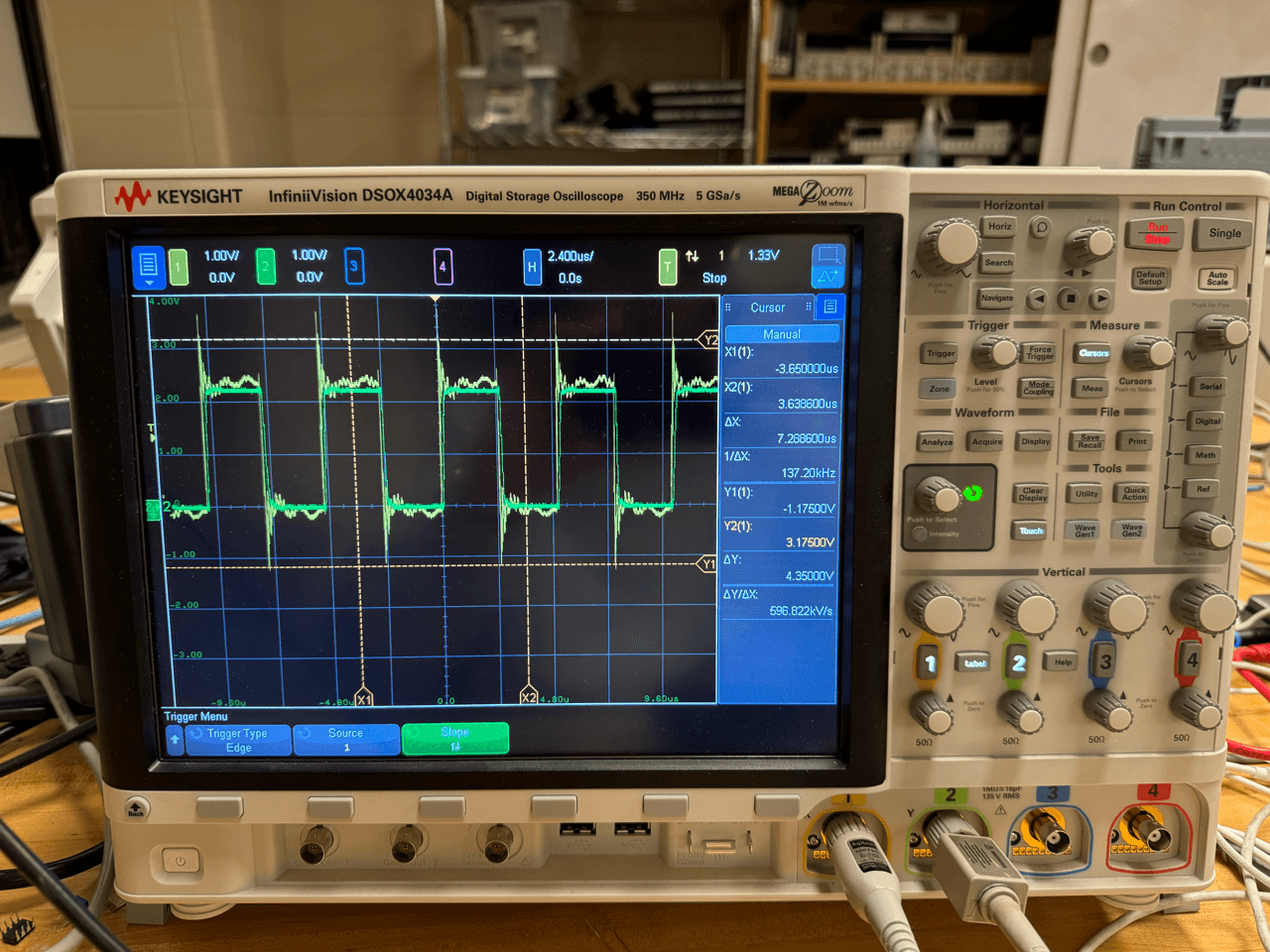
I’m a Junior studying Electrical Engineering at Columbia, planning to graduate in May 2028. I specialize in high-frequency hardware design, signal processing, and radio.
Learning about signal processing and the hardware that makes it possible feels to me like learning to become a magician if magic were real*. It is the technology that enables us to see planes over the horizon, turn many small telescopes into one big telescope to see black holes in space, and communicate from any point on earth and beyond.
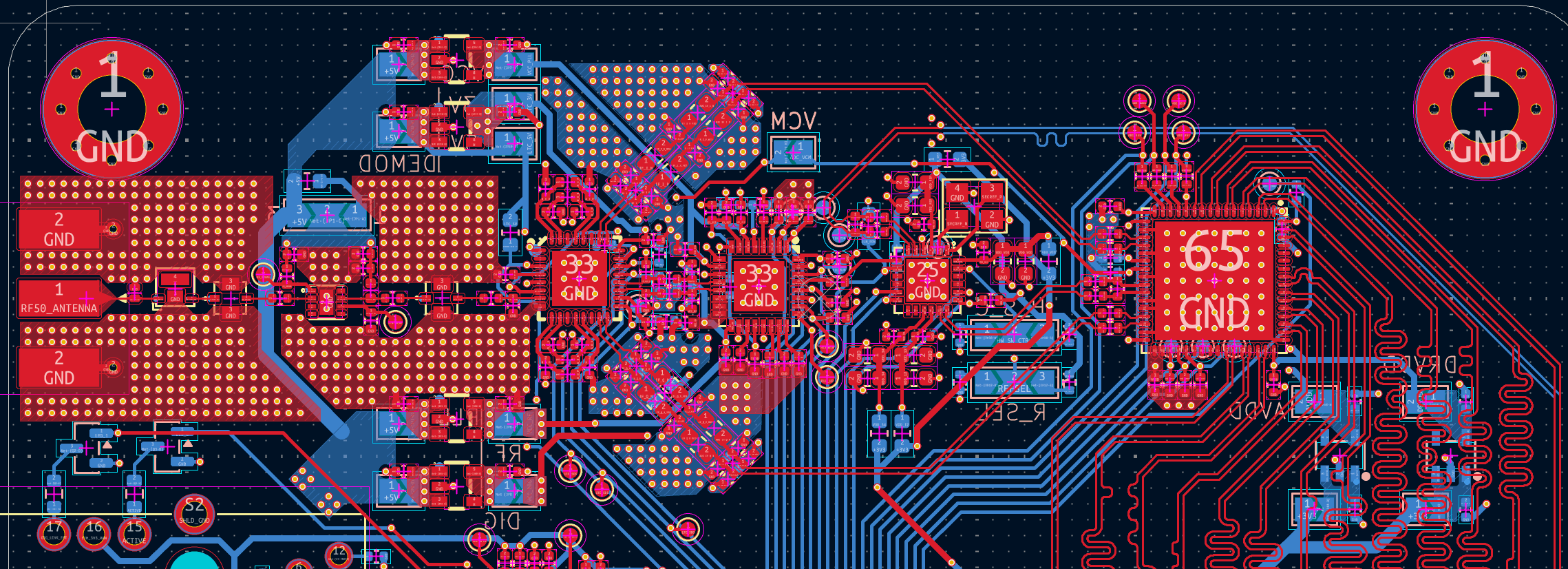
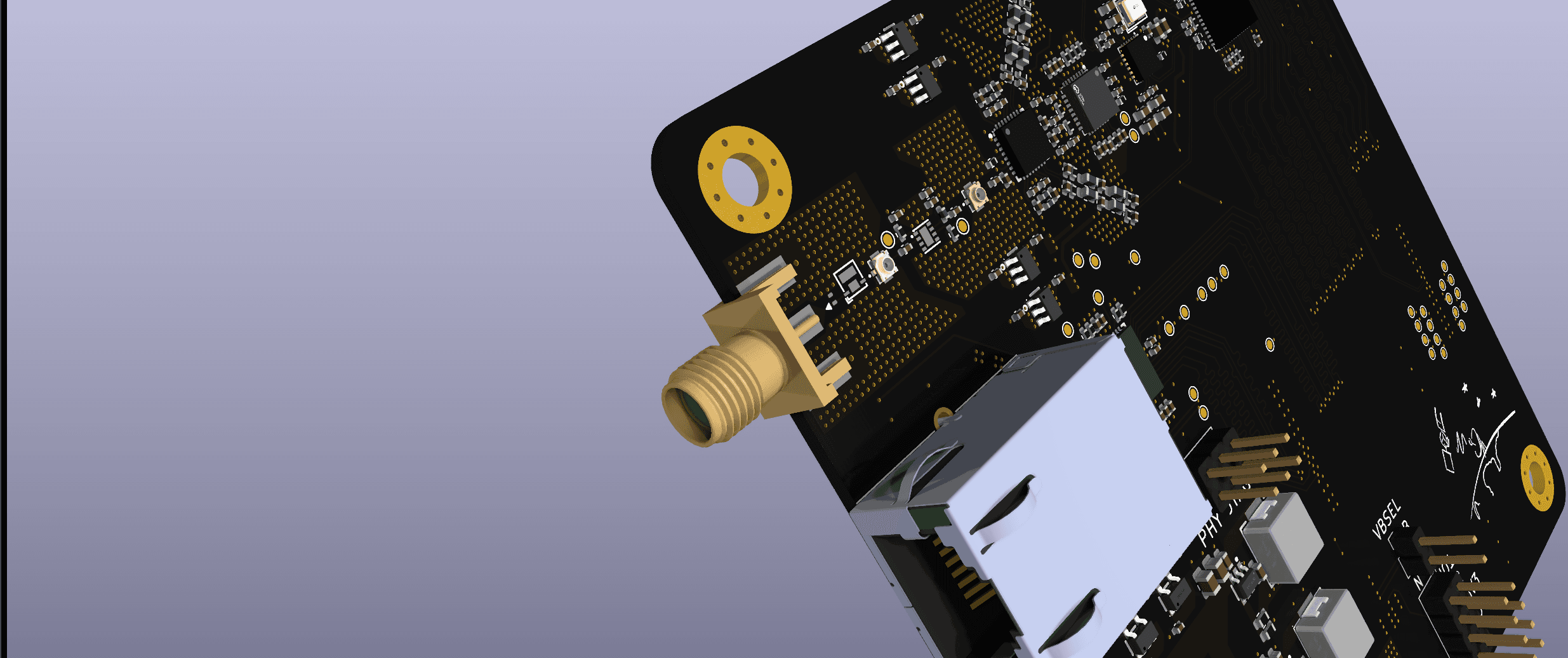
As a hands-on person, I quickly discovered that there is no one good tool to explore advanced concepts in the radio spectrum in the same way that Arduino allowed me to learn about basic circuits (aside from very expensive RFSoCs). For that, I am currently making RADIOLAND (named after my favorite Kraftwerk song) to make high-bandwidth RF projects more accessible to hobbyists.
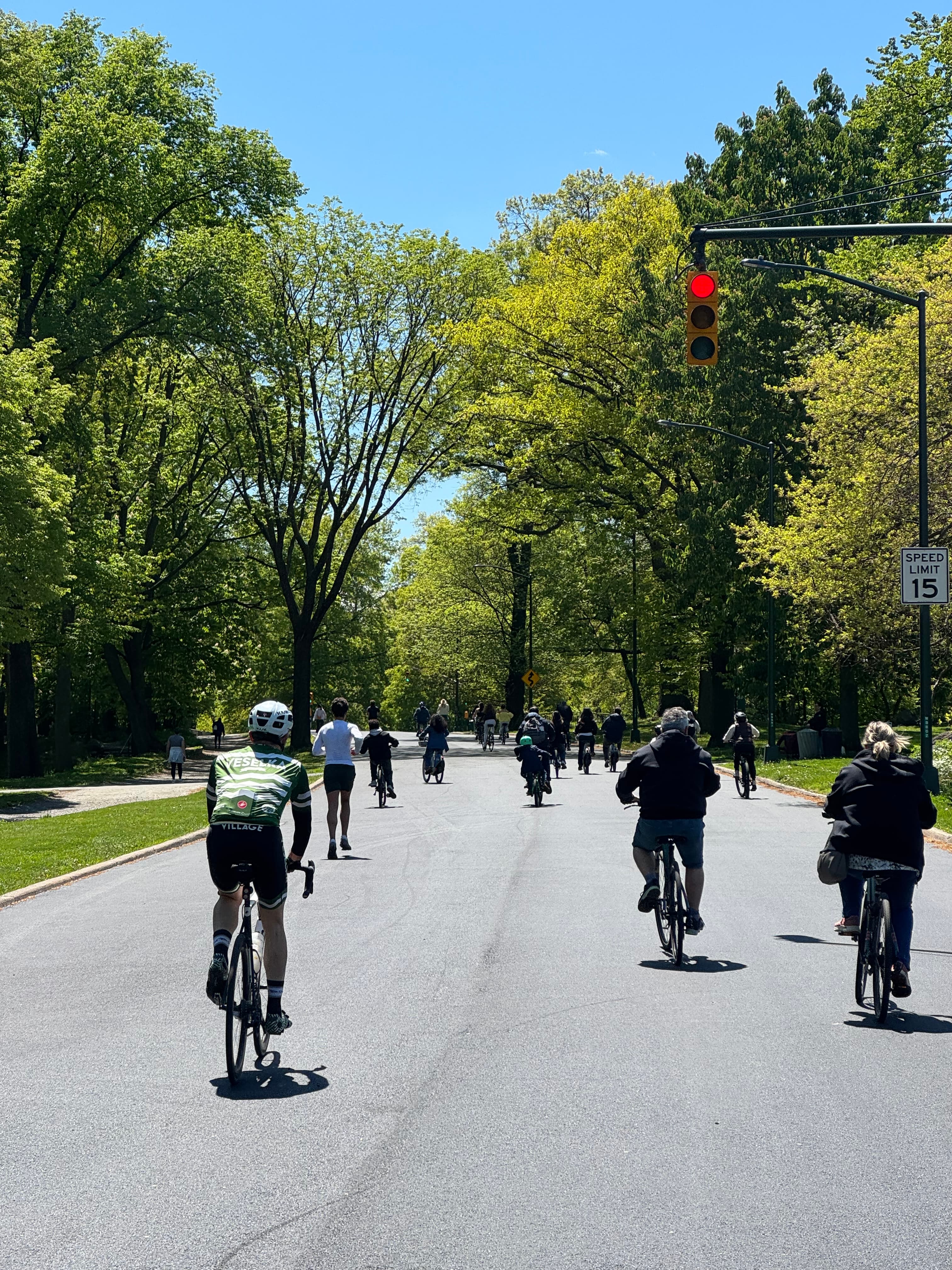
Outside of my technical interests, I am passionate about urban planning and conservation. In my free time when I’m not working on a project I am probably riding my bike places to take advantage of living in such a well-planned city.
I will have lived a fulfilling life if I am able to apply my technical passions to make the world look a little more like this one day.
adrian dot darlington at columbia dot edu